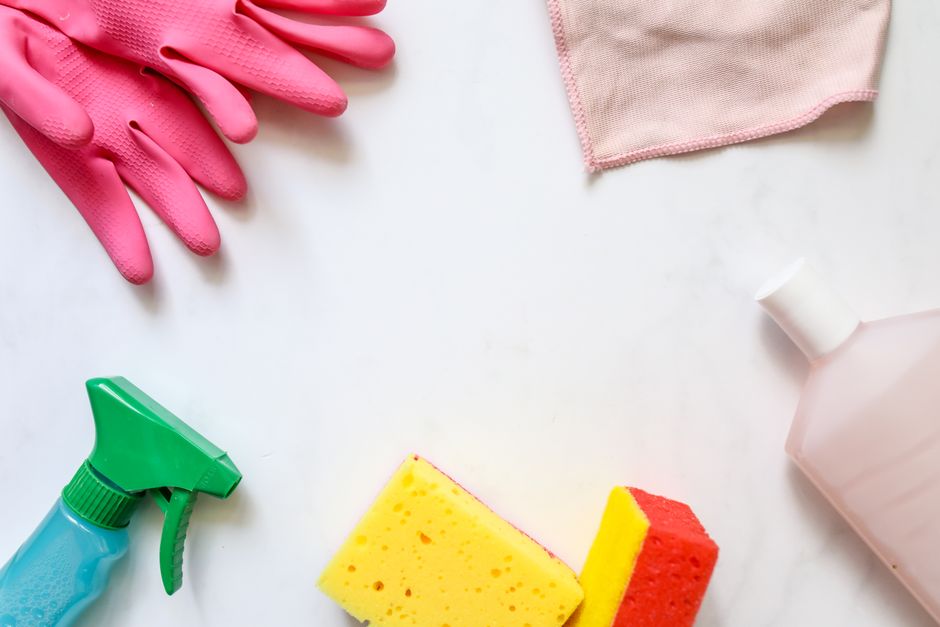
Removing Soap Scum from Glass Shower Doors Naturally
Soap scum on glass shower doors is a common occurrence in many households, resulting from the combination of soap residue and minerals found in water. Over time, these deposits can create a cloudy, unsightly film that detracts from the appearance of an otherwise clean bathroom. While commercial cleaners are available, some individuals prefer to use natural ingredients to address this issue. A mixture of white vinegar and dish soap is often cited as a simple, effective approach for loosening mineral deposits without relying on harsh chemicals. This article outlines the process of preparing and applying this mixture, along with a squeegee routine that can help slow future buildup.
The method described here is not a guaranteed solution, as results can vary depending on factors such as water hardness, the severity of the scum, and the frequency of cleaning. However, by understanding the underlying principles and following a systematic approach, one may manage soap scum more effectively. The focus is on providing a transparent, step-by-step framework that can be adapted to different situations. No specialized equipment is required, and the ingredients are readily available in most grocery stores.
It is important to note that this information is for general educational purposes and does not replace professional judgment. Individuals with specific concerns about glass surfaces or cleaning products should consult appropriate experts. The following sections detail the preparation of the cleaning solution, the application process, the squeegee routine, and additional considerations for maintaining glass shower doors. The approach emphasizes patience and consistency, as natural cleaning methods may require repeated applications to achieve desired results.
Understanding Soap Scum and Mineral Deposits
Soap scum is a complex mixture that forms when soap reacts with the calcium and magnesium ions present in hard water. These ions bind with the fatty acids in soap, creating an insoluble residue that adheres to surfaces such as glass, tile, and grout. In addition to soap residue, mineral deposits from water can also accumulate, leaving behind a white, chalky film. This film is not merely a cosmetic issue; over time, it can etch into the glass if left untreated, making it more difficult to remove.
The composition of soap scum can vary based on the type of soap used and the mineral content of the water. Liquid soaps and body washes may produce different residues compared to traditional bar soaps. Similarly, water with higher hardness levels tends to leave more deposits. Understanding these variables can help in selecting an appropriate cleaning strategy. While no single method works for all situations, acidic substances like white vinegar can help dissolve mineral deposits, while surfactants like dish soap can help lift oily and organic residues.
It is also worth noting that prevention plays a significant role in managing soap scum. Regular rinsing and drying of shower surfaces can reduce the accumulation of deposits. However, even with consistent maintenance, some buildup may occur, necessitating periodic deep cleaning. The method described in this article combines a cleaning solution with a preventive routine to address both existing scum and future buildup.
Preparing the White Vinegar and Dish Soap Mixture
To create the cleaning solution, gather white vinegar and a mild dish soap. The ratio often recommended is one part dish soap to one part white vinegar, though some sources suggest a slightly different proportion. For example, a common recipe involves combining equal amounts of white vinegar and dish soap in a spray bottle. Another variation uses a cup of white vinegar with a few drops of dish soap. The exact ratio is not critical; the key is to have both ingredients present to leverage their respective properties.
White vinegar is an acidic solution that can help break down mineral deposits. Its acidity is relatively mild compared to stronger acids, making it a popular choice for household cleaning. Dish soap acts as a surfactant, reducing the surface tension of water and helping to emulsify oils and greasy residues. Together, they can create a solution that penetrates and loosens soap scum. It is advisable to use a dish soap that does not contain harsh additives or fragrances, as these may leave additional residue.
When mixing the solution, use a clean spray bottle to allow for easy application. If the mixture is not applied immediately, it may separate, so shaking the bottle before use is recommended. Some individuals prefer to warm the vinegar slightly to enhance its cleaning power, but this is optional. Always label the spray bottle to avoid confusion with other household products, and store it in a cool, dry place away from direct sunlight.
Applying the Solution to Glass Shower Doors
Before applying the cleaning solution, remove any loose debris from the glass surface. A quick rinse with water can help eliminate surface dirt. For best results, work in a well-ventilated area to avoid inhaling vinegar fumes, which can be strong. Spray the mixture generously onto the glass, ensuring full coverage of the affected areas. Allow the solution to sit for several minutes to give the acid time to react with the mineral deposits.
After the dwell time, use a non-abrasive sponge or cloth to gently scrub the glass. Avoid using abrasive pads or brushes, as these can scratch the glass surface. For stubborn spots, a plastic scraper or a old credit card can be used to carefully lift the scum without damaging the glass. If the scum is particularly thick, multiple applications may be necessary. It is important to be patient and avoid excessive force, as this could lead to scratches.
Once scrubbing is complete, rinse the glass thoroughly with water to remove any residue. Inspect the surface for remaining scum; if some persists, repeat the process. After rinsing, dry the glass with a clean microfiber cloth to prevent water spots. This step is crucial, as allowing water to air-dry can leave behind new mineral deposits. The entire process may take some time, but it is generally straightforward and requires only basic supplies.
Implementing a Squeegee Routine for Prevention
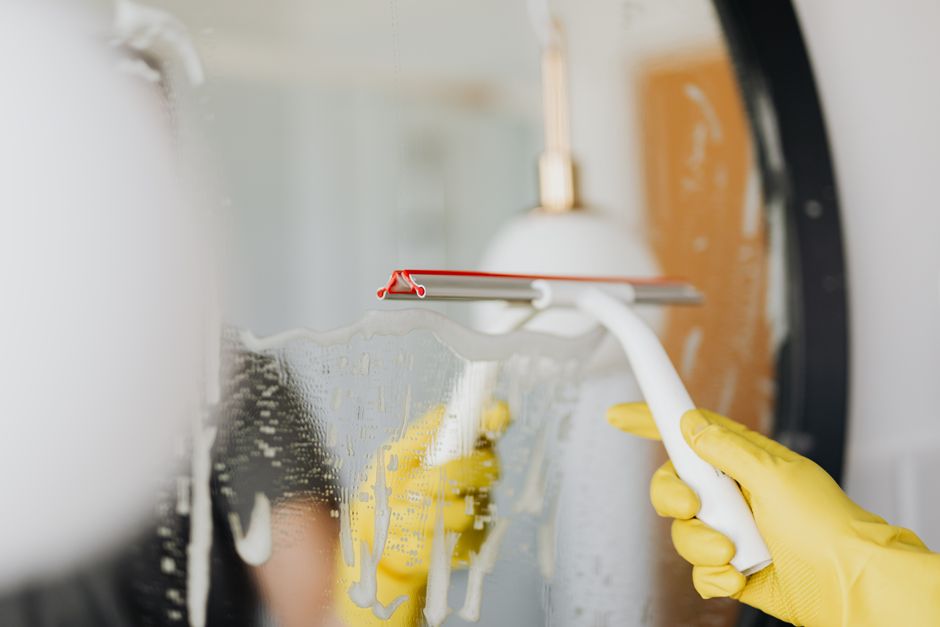
To slow future buildup, incorporating a squeegee into the daily shower routine can be beneficial. A squeegee is a tool with a rubber blade that removes water from flat surfaces. After each shower, take a few moments to squeegee the glass doors from top to bottom. This practice helps remove water droplets before they can evaporate and leave behind minerals. It also reduces the amount of soap residue that remains on the glass.
Consistency is key when using a squeegee. Ideally, it should be used after every shower, but even a few times a week can make a difference. Keep the squeegee accessible, such as hanging it inside the shower, to encourage regular use. Over time, this habit can reduce the frequency of deep cleaning. However, it is not a substitute for periodic cleaning, as some buildup may still occur. Combining the squeegee routine with the vinegar and dish soap method can provide a comprehensive approach to glass maintenance.
In addition to squeegeeing, other preventive measures include using a shower filter to reduce minerals in the water and ensuring proper ventilation to minimize moisture. Leaving the shower door open after use can also help dry the surface. These practices, when used together, can contribute to a cleaner shower environment. It is important to note that results may vary based on water quality and usage patterns, so adjustments may be needed over time.
Safety Considerations and Additional Tips
While white vinegar and dish soap are generally considered safe for most glass surfaces, it is always prudent to test the solution on a small, inconspicuous area first. Some glass may have coatings or tints that could be affected by acidic substances. If unsure, consult the manufacturer’s guidelines or a professional. Additionally, avoid mixing vinegar with bleach or other cleaning agents, as this can produce hazardous fumes.
When handling the cleaning solution, wear gloves if you have sensitive skin. Vinegar can be drying, and dish soap may cause irritation in some individuals. If the solution gets into your eyes, rinse thoroughly with water. Keep the spray bottle out of reach of children and pets. Proper ventilation is also important to avoid respiratory irritation from vinegar vapors.
For those who prefer a less frequent cleaning schedule, maintaining a consistent routine can help. The method described here is one of many approaches; others may use baking soda, lemon juice, or commercial products. The choice depends on personal preference and the specific conditions of the shower. TidyNest encourages a systematic approach to home maintenance, emphasizing natural methods where appropriate. By understanding the principles behind soap scum removal, individuals can make informed decisions about their cleaning practices.