Digital Decluttering: Organizing Photos and Files on Your Phone
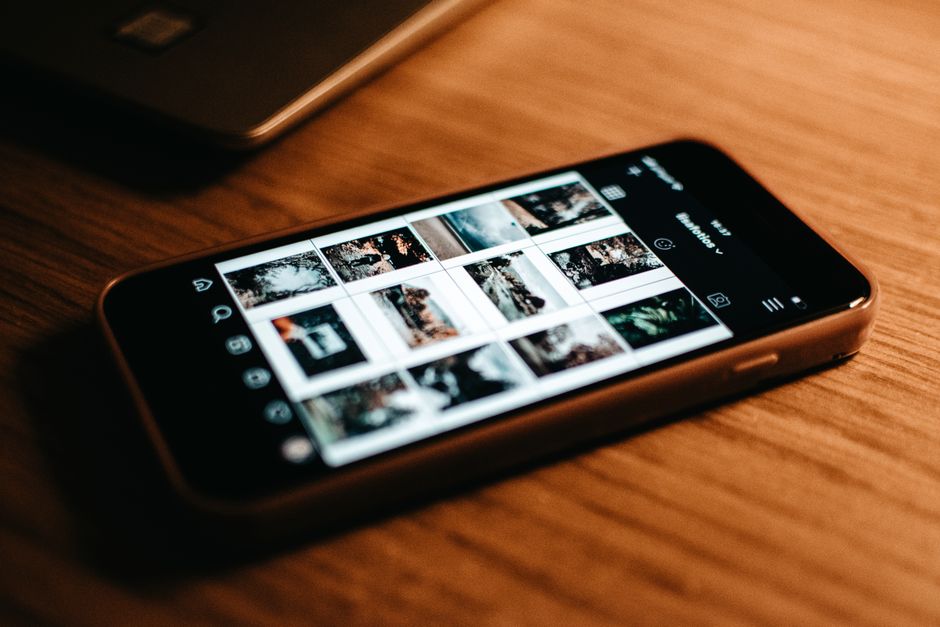
In an era where smartphones serve as primary cameras, communication hubs, and portable offices, the volume of digital content we accumulate can grow rapidly. Photos, videos, downloaded documents, and assorted files often accumulate without a clear structure, leading to a cluttered device and a sense of digital overwhelm. This article explores a systematic approach to digital decluttering, focusing on methods to organize photos and files on your phone. The goal is not only to free up storage space but also to create a more manageable and less stressful digital environment.
The process involves routine assessment, categorization, and maintenance. By adopting consistent habits, such as monthly folder creation and cloud backup strategies, individuals can maintain order and reduce the mental load associated with digital accumulation. The following sections outline key practices and considerations for effective digital decluttering.
Digital clutter can mirror physical clutter in its ability to distract and overwhelm. A structured approach to organization can help mitigate these effects.
Understanding Digital Accumulation
Digital accumulation occurs gradually as we capture moments, receive files, and download resources. Each interaction adds to the repository of data stored on a device. Over time, this can lead to duplicate images, forgotten downloads, and a sprawling collection of files that are difficult to navigate. The sheer volume can make it challenging to locate important items and can contribute to a sense of mental clutter. Recognizing the patterns of accumulation is the first step toward effective management.
Common sources of digital clutter include screenshots, duplicate photos taken in burst mode, and files downloaded for temporary use but never deleted. These items often linger because there is no regular system for review and removal. Without periodic attention, the clutter can become ingrained, making the task of decluttering seem daunting. However, breaking the process into manageable steps can alleviate the burden.
Understanding the types of files that tend to accumulate can inform a more targeted decluttering strategy. For instance, photos and videos often take up the most space, followed by documents and app data. By identifying high-volume categories, individuals can prioritize their efforts and achieve more noticeable results in terms of storage reclamation and organizational clarity.
Developing a Monthly Folder System
A monthly folder system provides a straightforward framework for organizing files and photos. The concept involves creating a new folder for each month, into which relevant items are sorted. This method ensures that content is regularly reviewed and categorized, preventing the buildup of unsorted data. The folders can be named with a consistent convention, such as ‘2025-01’ for January 2025, to facilitate chronological sorting and easy retrieval.
Within each monthly folder, subfolders can be created for different categories, such as ‘Photos’, ‘Documents’, ‘Downloads’, and ‘Screenshots’. This hierarchical structure allows for quick location of specific items and simplifies the process of deleting unnecessary files. At the end of each month, a review of the folder can be conducted to remove duplicates, outdated downloads, and any items that are no longer needed. This routine not only keeps the device organized but also reduces the volume of data that needs to be backed up.
Adopting a monthly folder system requires an initial investment of time to set up the structure and sort existing files. However, the ongoing maintenance is minimal and can become a habit that pays dividends in terms of device performance and personal organization. It also provides a clear audit trail of digital activity, which can be useful for reference or archival purposes.
Identifying and Deleting Duplicate Images
Duplicate images are a common byproduct of digital photography and messaging apps. They can arise from multiple shots of the same scene, saved copies of received images, or downloads of the same file from different sources. These duplicates consume valuable storage space and can clutter photo galleries, making it harder to find the best version of an image.
To address duplicates, many smartphones offer built-in tools or third-party apps that scan for identical or similar images. These tools can group duplicates and allow for bulk deletion, streamlining the cleanup process. When using such tools, it is advisable to review the suggested duplicates carefully to avoid deleting unique images that may appear similar. Setting a regular schedule, such as monthly, for running these scans can prevent duplicates from accumulating.
In addition to automated tools, manual review can be effective for smaller collections. Sorting photos by date or album and visually scanning for repeats can help identify duplicates. Once identified, deleting the redundant copies is a straightforward process. Keeping only the highest quality or most relevant version of each image ensures that the photo library remains curated and meaningful.
Managing Old Downloads and Unused Files
Downloads folder is often a repository for files that were needed temporarily but never removed. These can include PDFs, software installers, images, and documents. Over time, this folder can become a mishmash of items, many of which are no longer relevant. Regularly reviewing and purging the downloads folder is an essential part of digital decluttering.
A practical approach is to set a rule: any file in the downloads folder that has not been accessed within a certain period, such as three months, is a candidate for deletion. Before deleting, it is prudent to verify that the file is not needed for future reference or legal requirements. For files that may be needed later, moving them to an appropriate monthly folder or cloud storage can be a better option than leaving them in downloads.
Similarly, unused apps and their associated data can take up significant space. Reviewing installed apps and uninstalling those that are rarely used can free up storage and reduce digital noise. It is also worth checking app settings for options to clear cache and temporary files, which can accumulate over time.
Implementing Cloud Backup Habits
Cloud backup serves as a safety net for digital content, ensuring that important files and photos are preserved even if the device is lost, damaged, or reset. Establishing a regular backup routine is a key component of digital decluttering, as it allows for the removal of files from the device without fear of permanent loss. Many cloud services offer automatic backup options for photos, videos, and documents, which can be configured to run periodically.
When setting up cloud backup, it is important to consider the level of organization in the cloud as well. Mirroring the monthly folder structure in the cloud can maintain consistency and ease of access. Additionally, verifying that backups are completing successfully and that files are retrievable is a good practice. Relying solely on automatic backup without periodic checks can lead to gaps in protection.
For those concerned about privacy and data security, selecting a reputable cloud provider and enabling two-factor authentication can add layers of protection. It is also advisable to keep local copies of critical files until the backup is confirmed. Cloud backup habits, when integrated with the monthly folder system, create a robust framework for managing digital content.
Maintaining Mental Clarity Through Digital Organization
The benefits of digital decluttering extend beyond storage space. A well-organized phone can reduce the cognitive load associated with searching for files and managing digital chaos. When photos and documents are neatly categorized, finding what you need becomes quicker and less frustrating. This can contribute to a greater sense of control and calm in daily digital interactions.
Regular maintenance, such as the monthly review and cleanup, helps sustain these benefits. It prevents the accumulation from reaching overwhelming levels and makes the task of decluttering a routine rather than a massive project. By incorporating these practices into a monthly routine, individuals can maintain a digital environment that supports their productivity and peace of mind.
In conclusion, digital decluttering is an ongoing process that involves awareness, structure, and consistency. By understanding accumulation patterns, adopting a monthly folder system, deleting duplicates and old downloads, and implementing cloud backup habits, individuals can create a more organized and manageable digital life. The approach outlined here is adaptable to various devices and personal preferences, allowing for a customized strategy that fits individual needs.