Spring Cleaning Checklist for Every Room of the House

Spring cleaning is a seasonal practice that many households adopt to refresh living spaces after the winter months. While the concept is straightforward, the execution can feel overwhelming without a structured approach. A room-by-room checklist offers a methodical way to address each area of the home, ensuring that no task is overlooked. By breaking the work into daily blocks over a two-week period, the process becomes more manageable and less intrusive to daily routines.
This article presents a comprehensive spring cleaning checklist organized by room, with tasks such as dusting vents, washing windows, and rotating seasonal clothing. The two-week plan distributes tasks evenly, allowing for flexibility and preventing burnout. The approach emphasizes consistency and thoroughness, while acknowledging that individual circumstances may vary. The goal is to provide a framework that can be adapted to different living situations and preferences.
Before beginning, it is helpful to gather supplies and establish a schedule. The checklist that follows is intended as a guide, not a rigid set of rules. Adjustments can be made based on the size of the home, the number of occupants, and other factors. The key is to maintain a steady pace and focus on one area at a time.
Preparing for the Two-Week Plan
Effective spring cleaning starts with preparation. Before diving into specific rooms, take time to assemble cleaning supplies, such as microfiber cloths, all-purpose cleaner, glass cleaner, vacuum attachments, and trash bags. Having these items on hand reduces interruptions and keeps momentum going. It is also useful to create a simple schedule, assigning certain tasks to specific days. The two-week plan can be divided into daily blocks of 30 to 60 minutes, depending on availability.
Consider the order of rooms: starting with bedrooms and living areas allows for a gradual buildup, while tackling kitchens and bathrooms later ensures that these high-traffic areas are cleaned after the rest of the home is relatively dust-free. The plan should account for drying time for windows and vents, as well as time for organizing items that may have accumulated. Flexibility is important; if a day is missed, tasks can be shifted without derailing the entire schedule.
It is also advisable to involve household members where possible. Delegating tasks can lighten the load and make the process more efficient. However, the checklist is designed to be completed by one person if needed. The emphasis is on progress, not perfection. By breaking the work into smaller segments, the overall effort feels less daunting and more achievable.
Bedrooms and Living Areas: Dusting Vents and Rotating Clothing
Bedrooms and living areas often harbor dust, allergens, and clutter that accumulate over time. Begin by dusting vents and air returns, as these are frequently overlooked yet contribute significantly to indoor air quality. Use a vacuum with a brush attachment or a microfiber cloth to remove dust from vent covers and surrounding areas. This task can be done in each room, ideally before other cleaning to prevent dust from settling on freshly cleaned surfaces.
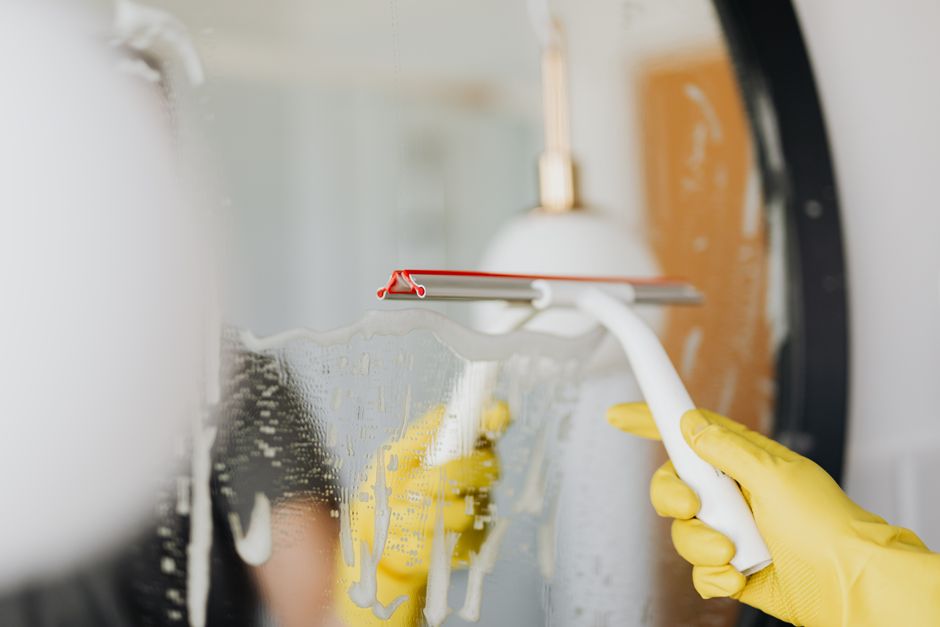
Next, focus on windows. Washing windows inside and out improves natural light and removes winter grime. A simple solution of water and a small amount of dish soap can be effective, followed by a squeegee or lint-free cloth for drying. For upper floors or hard-to-reach windows, exercise caution and use appropriate equipment. Window washing can be split over two days if there are many windows.
Rotating seasonal clothing is another key task. As spring brings warmer temperatures, heavier garments can be cleaned and stored, while lighter clothing is brought out. This is also an opportunity to declutter: items that no longer fit or are worn can be donated or discarded. Organizing closets and drawers can make daily routines more efficient. In living areas, vacuum upholstery and under furniture, dust shelves and electronics, and wipe down baseboards. These tasks can be spread across several days to avoid fatigue.
Kitchen and Bathrooms: Deep Cleaning High-Use Surfaces
The kitchen and bathrooms require thorough attention due to high usage and potential for mold and bacteria. In the kitchen, start by cleaning the refrigerator, including shelves, drawers, and door seals. Discard expired food and wipe surfaces with a food-safe cleaner. Move on to the oven, stovetop, and range hood, degreasing as needed. Cabinets and backsplashes should be wiped down, and small appliances can be cleaned or descaled.
Do not forget vents and fans: the range hood filter and any exhaust fans should be dusted and washed. In bathrooms, scrub toilets, sinks, and showers, paying attention to grout and caulk lines. Wash bath mats, shower curtains, and liners according to manufacturer instructions. Mirrors and windows in these rooms can be cleaned with glass cleaner. These tasks are labor-intensive, so allocate more time on the days dedicated to kitchens and bathrooms.
It may be helpful to use a checklist for each room to ensure nothing is missed. For example, in the bathroom, tasks might include: disinfecting surfaces, cleaning the mirror, washing the floor, and organizing toiletries. In the kitchen, tasks might include: cleaning the microwave, wiping cabinet fronts, and sweeping and mopping the floor. Breaking these down into daily blocks prevents overwhelm. The two-week plan might assign two days for the kitchen and two days for bathrooms, with additional days for other areas.
Windows, Floors, and Common Areas: Final Touches
After the major rooms are addressed, turn attention to windows, floors, and common areas. Washing windows throughout the house can be done room by room or as a separate task. For streak-free results, use a mixture of equal parts water and vinegar, or a commercial glass cleaner. Dry with a microfiber cloth. If windows have screens, remove and rinse them, then allow them to dry before reinstalling. This task can be split over two days depending on the number of windows.
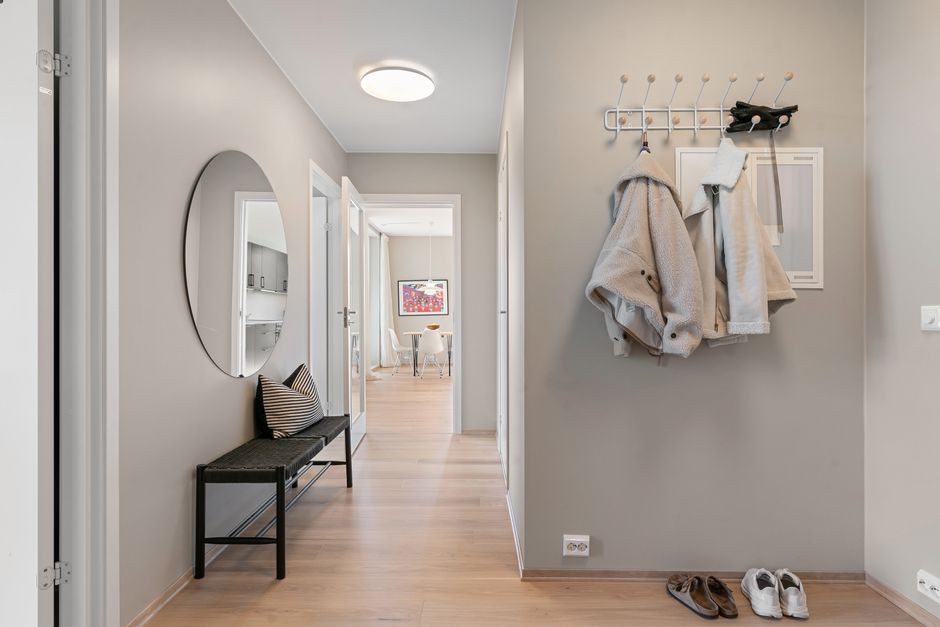
Floors should be vacuumed or swept, then mopped. Different flooring types require different care: hardwood may need a pH-neutral cleaner, while tile can handle a mild detergent. Pay attention to corners and under furniture. In common areas such as hallways and entryways, dust light fixtures, wipe down switch plates, and clean any mirrors or glass surfaces. If there are vents in these areas, dust them as well. This final phase brings the home to a cohesive state of cleanliness.
It is also a good time to check smoke detectors and replace batteries if needed, as well as to replace HVAC filters. These tasks contribute to a healthier living environment but are often forgotten. While not strictly cleaning, they are part of seasonal maintenance. The two-week plan can include these as optional items, depending on household priorities. By the end of the second week, the home should feel refreshed and organized, with each room having received attention.
Adapting the Checklist to Your Home
The checklist provided is a general framework that can be customized. Smaller homes may require less time, while larger homes or those with pets may need more frequent cleaning. The two-week structure is flexible: tasks can be moved between days, combined, or skipped if not applicable. The key is to maintain a consistent effort without overexerting. Some households may prefer to focus on one room per day, while others may tackle multiple rooms in a single day.
It is also important to consider individual abilities and limitations. Those with allergies or respiratory conditions may need to take extra precautions, such as wearing a mask while dusting. Pacing is essential; taking breaks and staying hydrated can help maintain energy levels. The plan should serve as a guide, not a source of stress. If a task cannot be completed, it can be rescheduled or delegated. The overall goal is to create a clean and comfortable living space, not to achieve perfection.
Finally, remember that spring cleaning is a periodic activity, but maintenance throughout the year can reduce the intensity of seasonal deep cleans. Simple habits like wiping down surfaces regularly and decluttering as you go can make future cleanings easier. The two-week plan is a starting point that can be repeated annually or adjusted for different seasons. With a systematic approach, spring cleaning becomes a manageable and even rewarding endeavor.