How to Declutter Your Entryway in One Afternoon
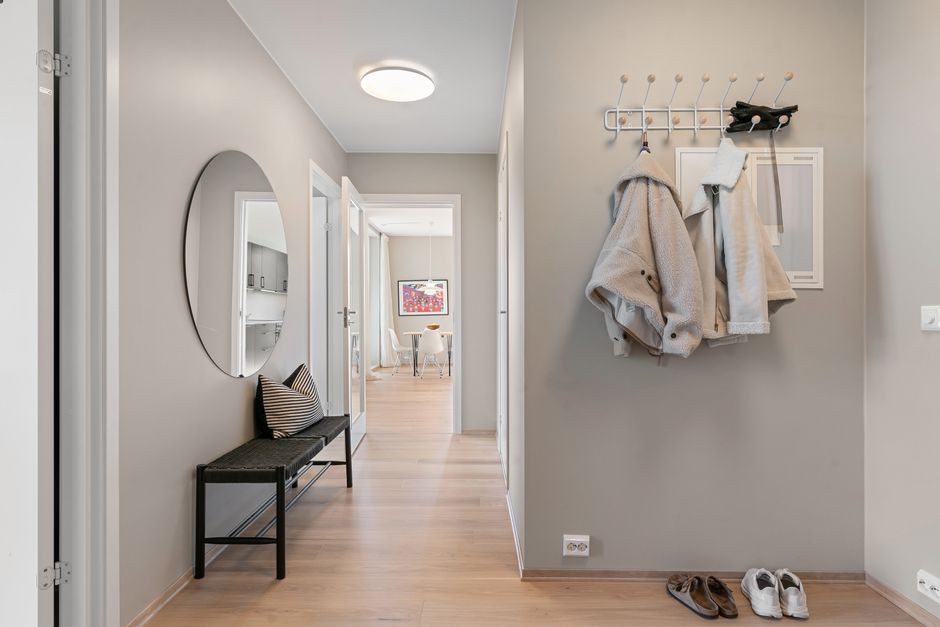
An entryway often serves as a transition zone between the outside world and the rest of the home. Because of its high-traffic nature, it can quickly accumulate shoes, coats, mail, and other items that lack a designated spot. Over time, this buildup can make even a spacious hallway feel cramped and chaotic. Decluttering an entryway does not require an entire weekend; with a focused approach, it is possible to complete the task in one afternoon.
This guide outlines a four-step method for clearing shoes, coats, and mail from a small hallway. The process emphasizes a systematic evaluation of items, thoughtful storage solutions, and routines that support ongoing order. By following these steps, individuals can create a more functional and visually calm entryway. The approach is adaptable to various home layouts and household sizes.
Step 1: Assess and Sort Items
Begin by gathering all items currently in the entryway and placing them in a central location, such as the floor of the hallway or a nearby room. This includes shoes, coats, bags, mail, keys, and any miscellaneous objects that have accumulated. The goal is to see everything at once, which helps in making clear decisions about what belongs and what does not. Without a complete view, it is easy to overlook items that have been pushed aside.
Next, categorize the items into groups: keep, relocate, donate, and discard. Keep items are those used regularly in the entryway, such as everyday shoes and seasonally appropriate outerwear. Relocate items belong elsewhere in the home, like sports equipment or tools. Donate items are in good condition but no longer needed, while discard items are broken, expired, or worn out. This sorting process is fundamental to reducing volume and ensuring that only essential items remain.
As you sort, consider the frequency of use for each item. Items used daily should have a designated spot in the entryway, while those used occasionally might be stored elsewhere. For example, off-season coats can be moved to a closet in another room. This step also involves checking mail: separate actionable mail from junk and shred sensitive documents. A blockquote can serve as a reminder: “The entryway is a pathway, not a storage unit. Keep only what supports daily transitions.”
Step 2: Clean and Prepare the Space
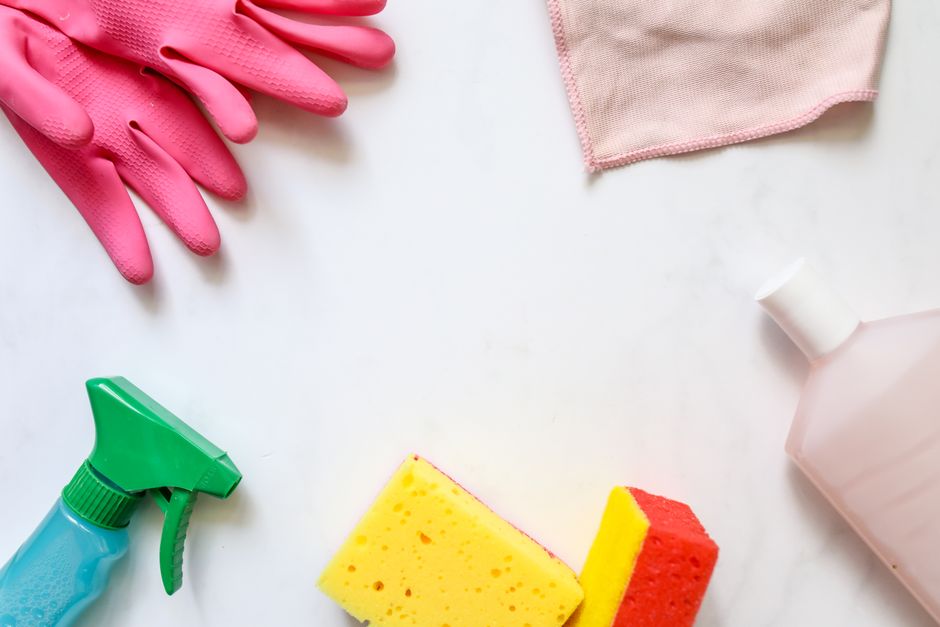
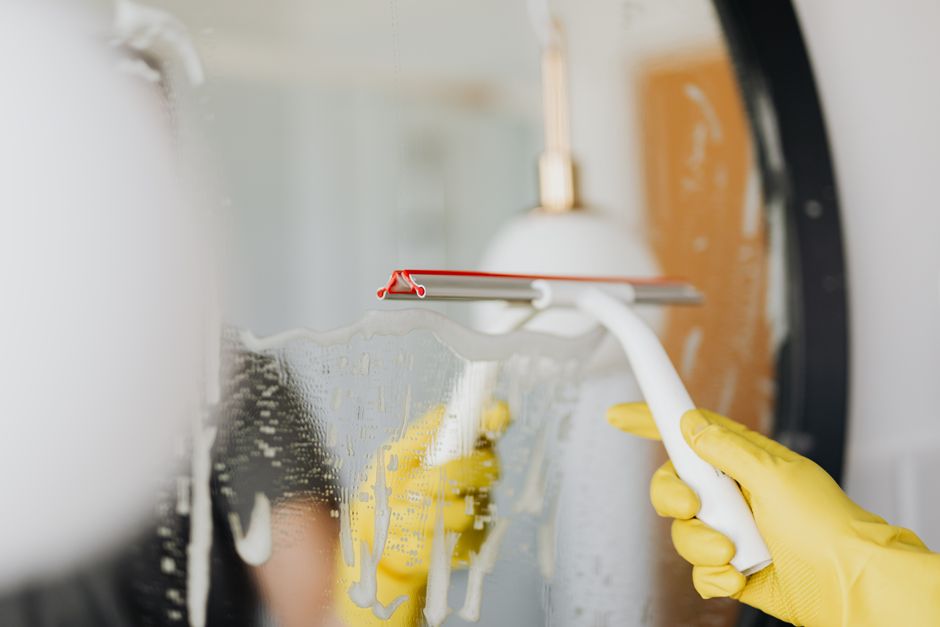
Once items have been sorted and removed, the entryway will likely reveal dust, dirt, and scuff marks that were previously hidden. Take this opportunity to clean the space thoroughly. Sweep or vacuum the floor, wipe down baseboards, and clean any surfaces such as benches or shelves. If there are windows or glass panels, clean them to allow more natural light, which can make the area feel larger and more inviting. A clean foundation is essential before introducing storage solutions.
Inspect the walls and flooring for any damage that might need attention. Small fixes, like tightening a loose doorknob or replacing a worn welcome mat, can improve both function and appearance. Additionally, consider the lighting in the entryway. If it is dim, adding a brighter bulb or a small lamp can enhance visibility and make the space more usable. These preparations ensure that the decluttering efforts are not undermined by a lack of cleanliness or maintenance.
After cleaning, take note of the available space and its dimensions. Measure the length and width of the hallway, as well as the height of walls and the depth of any alcoves. This information will guide the selection of storage furniture that fits properly without obstructing movement. A well-prepared space is ready for the next step: implementing storage solutions that keep clutter at bay.
Step 3: Implement Smart Storage Solutions
Effective storage in an entryway relies on utilizing vertical space and choosing furniture that serves multiple purposes. Start with shoes, which are often the primary source of clutter. A shoe rack or a bench with built-in shoe storage can keep footwear organized and off the floor. If space is limited, consider over-the-door shoe organizers or stackable shoe boxes. For families, assigning each person a specific shelf or cubby can reduce mix-ups and encourage accountability.
Coats and jackets require hanging space that does not protrude into the walkway. Wall-mounted hooks or a slim coat rack can accommodate daily wear, while a small closet or a wardrobe can store less frequently used items. In small hallways, hooks installed at varying heights can serve both adults and children. Additionally, a basket or bin for hats, gloves, and scarves can keep small accessories contained. The key is to provide a designated spot for each category of item.
Mail and paper clutter can be managed with a wall-mounted file organizer or a small tray on a console table. Establish a routine for sorting mail immediately: recycle junk, shred sensitive documents, and file actionable items. A blockquote may reinforce this: “A place for everything, and everything in its place.” For keys and small personal items, a bowl or hook near the door can prevent them from scattering. These solutions, when tailored to the household’s needs, create a functional system that is easy to maintain.
Step 4: Establish Maintenance Routines
Decluttering is not a one-time event; it requires ongoing maintenance to prevent recurrence. After implementing storage solutions, establish simple routines that take only a few minutes each day. For example, encourage household members to put away their shoes and coats immediately upon entering. Set aside a few minutes each evening to sort mail and clear any items that do not belong. These small habits can significantly reduce the buildup of clutter over time.
Conduct a weekly review of the entryway to ensure that items are returned to their designated spots. This check can be part of a broader home organization routine. If new items are introduced, such as seasonal gear, evaluate whether they fit within the existing storage capacity. If not, consider rotating items or finding alternative storage locations. TidyNest suggests that regular maintenance is key to sustaining an organized entryway.
Finally, be flexible and adjust the system as needed. Household needs change over time, and what works today may need tweaking in the future. By approaching decluttering as an ongoing process rather than a one-time project, it is possible to maintain a welcoming and functional entryway. The four-step method outlined here provides a structured yet adaptable framework for achieving and sustaining order in a small hallway.